Epoxy Products

Third Rail Insulator

A third rail insulator carries the conductor rail that powers a metro or light-rail vehicle. It has to hold that rail at a fixed height and gauge, keep it electrically separated from the track structure, and survive years of vibration, weather and trackside grime without being touched.

Indisol casts third rail insulators in cycloaliphatic epoxy, the outdoor resin family, so the same part works in open air and in tunnel. Creepage distance and withstand voltage are dimensioned to the system voltage, up to 1 500 V DC.

The insulator is designed to mount to your existing track structure, rather than the track structure being adapted to the insulator. Support spacing is set with you, against the mechanical load and the deflection your installation allows.

For tunnels and enclosed stations: the resin system meets EN 45545-2 for fire and smoke behaviour, and part-level test reports are available on request.
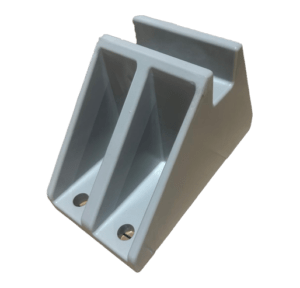
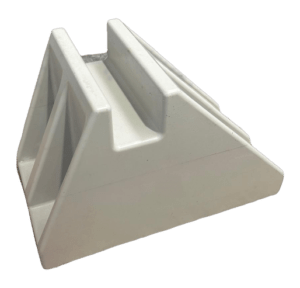
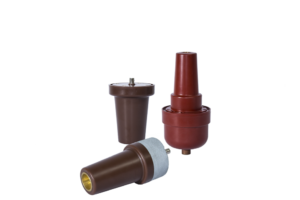
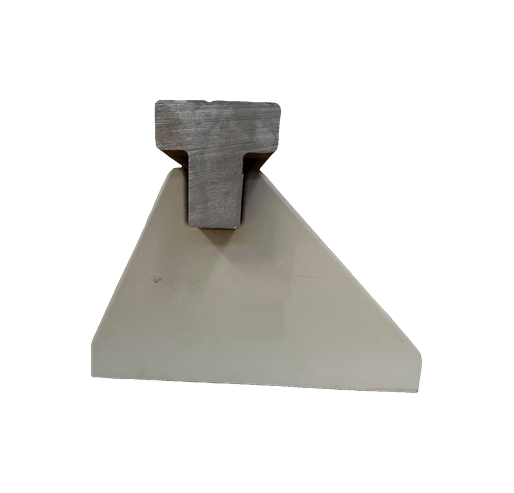
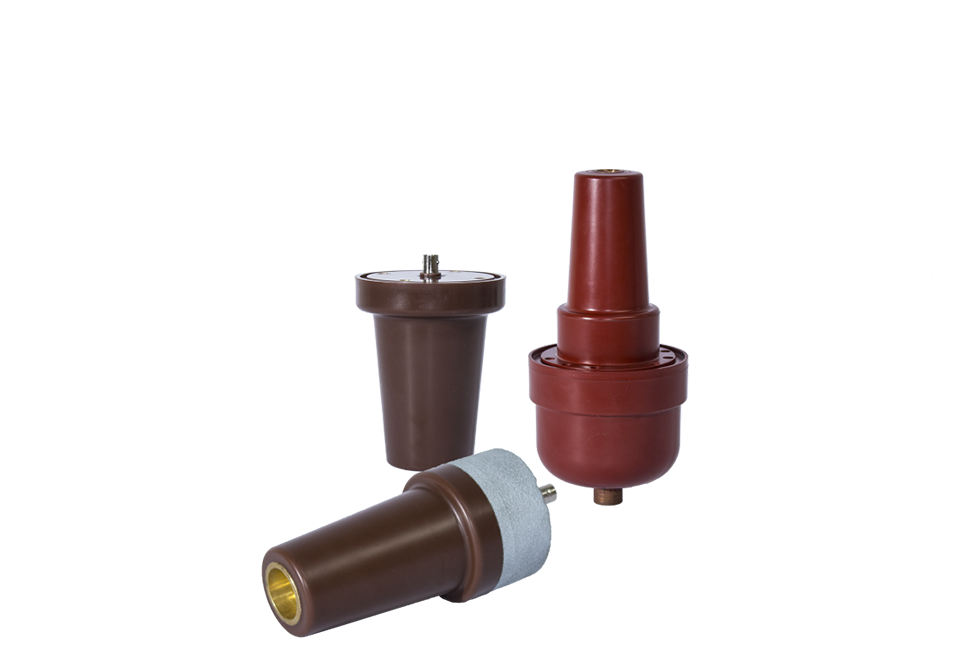
Third rail insulator in cast epoxy, Indisol
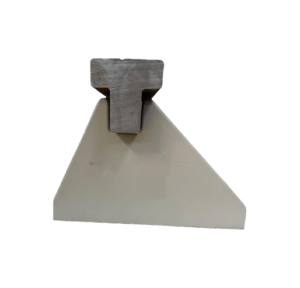
Third rail insulator with mounting bracket, Indisol cast epoxy
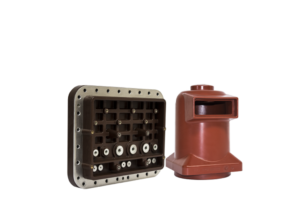
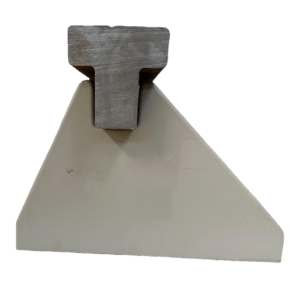
Third rail insulator supporting a conductor rail, Indisol cast epoxy

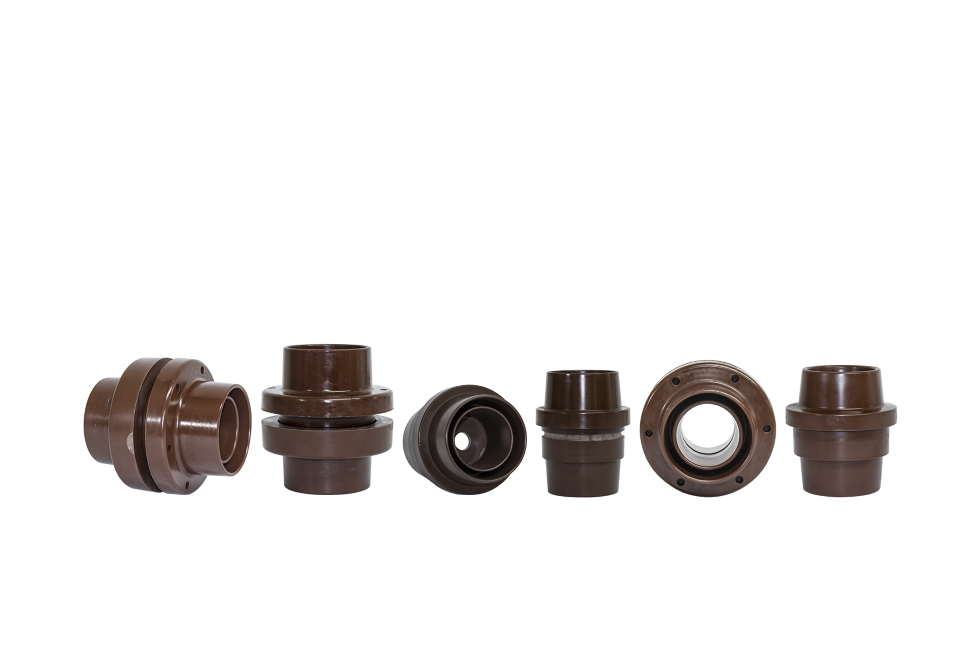
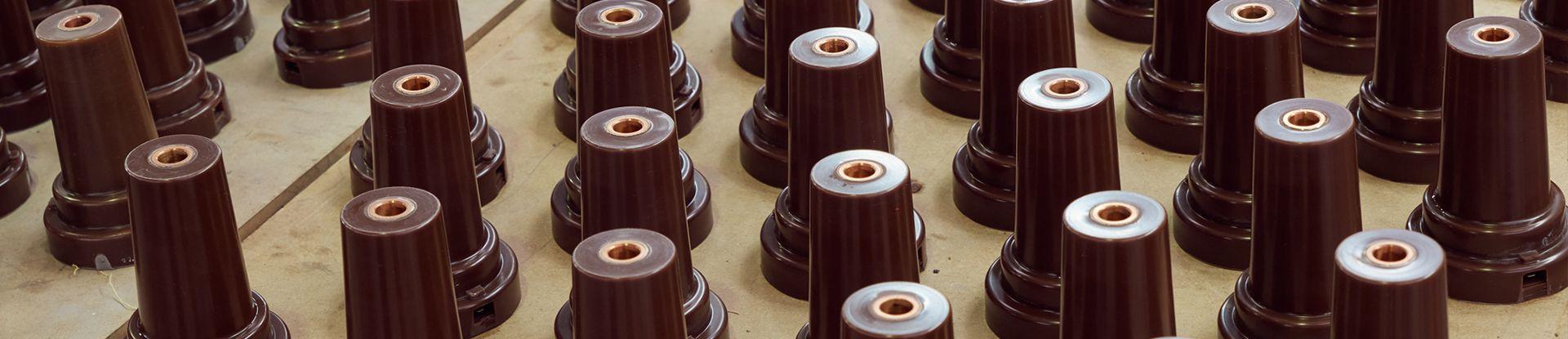
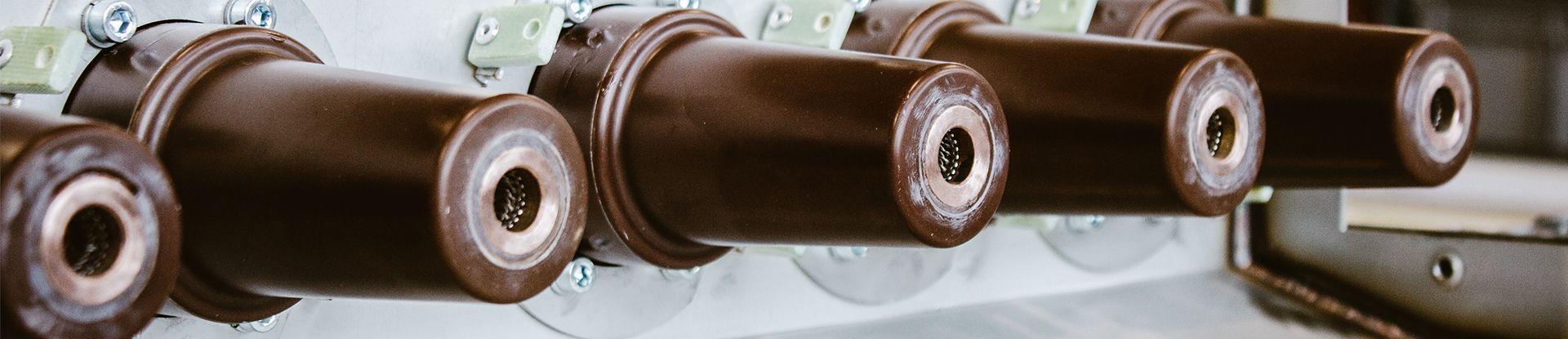
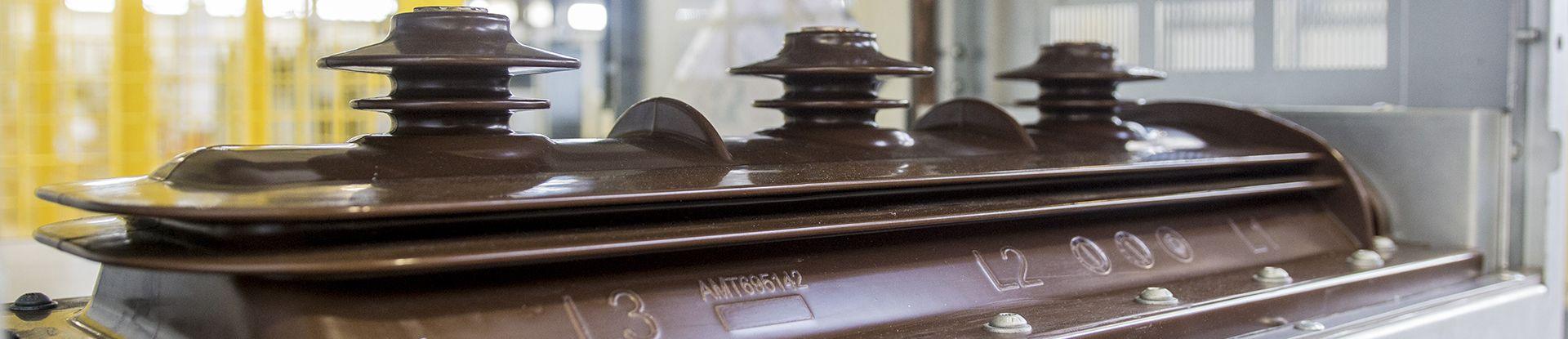
Cast epoxy third rail insulators

1 500 V DCSystem voltage covered
EN 45545-2Fire and smoke behaviour
CycloaliphaticTrackside resin system
Open air & tunnelThe same part in both

Which epoxy insulator do you need?

A third rail insulator is one member of a family. If the part you are specifying does something else, go straight to the right family.
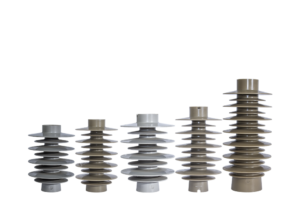
Cast epoxy support insulator, Indisol
Support & post insulatorsHold a conductor away from earth and carry the mechanical load.See the range →
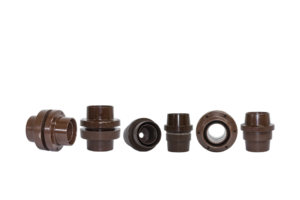
Medium voltage cast epoxy bushing, Indisol
BushingsTake a live conductor through a wall, an enclosure or a tank.See the range →
Cast epoxy components for gas insulated switchgear, Indisol
GIS productsBusbar supports, fuse tubes and breaker chambers inside gas insulated equipment.See the range →
Cast epoxy insulator divider, Indisol
Divider insulatorsInsulate and, at the same time, give a low voltage signal that follows the conductor.See the range →
Medium voltage voltage sensors and indicators in cast epoxy, Indisol
Medium voltage sensorsMeasure voltage or current to a stated accuracy class.See the range →
Epoxy insulator with integrated sensing for smart grids, Indisol
SmartGridSensing, monitoring and PLC communication built into the insulating part.See the range →
Third rail insulator supporting a T-section conductor rail, Indisol cast epoxy
Third rail insulatorsHold the conductor rail that powers a metro or light-rail line.You are here
Customized cast epoxy product for medium and high voltage, Indisol
Custom HV/MV productsEpoxy housings for switches, and shapes none of the above describes.See the range →

What the insulator has to do

Three duties at once, and they pull against each other. The design is the compromise.

PositionHold the railFixed height and gauge, held against vibration and thermal movement, so the collector shoe meets the rail where it expects to.
InsulateKeep it off the structureCreepage distance along the surface and clearances through air dimensioned to the system voltage, up to 1 500 V DC, in a trackside environment that is wet, dirty and salted.
CarryTake the loadVertical load from the rail, lateral load from the shoe, and thermal expansion along the run. Support spacing and section are set against your allowed deflection.

Fire and smoke, where it matters most

In a tunnel or an enclosed station, the fire and smoke classification of every component in the tunnel envelope is part of the safety case, not a specification detail. An insulator that is fine trackside in the open can be the item that holds up an approval underground.

These insulators are cast in a cycloaliphatic epoxy system that meets the EN 45545-2 requirements for fire and smoke behaviour in railway rolling stock and infrastructure. Part-level test reports are available on request — ask for them with the enquiry and they go into your file rather than being chased later.

It fits your track, not the other way round

Because the part is cast rather than fired or machined, the geometry is chosen by the designer. Fixing centres, rail interface, ribs and creepage profile are moulded in one piece, and metal inserts are encapsulated inside the resin instead of bolted on afterwards — no fasteners sitting in the insulating path.

In practice that means an insulator can be designed to the holes and brackets already in your track structure. Send the interface and we work to it.

How it is made

Most of what can go wrong electrically goes wrong during casting, which is why the process matters more than the datasheet.

01PrepareResin degassed under vacuum, so the mix reaches the mould without entrained air — the voids that later become partial discharge sites.
02CastGelation under pressure at temperature for series work, which holds dielectric reliability and dimensional accuracy across a whole run rather than only the first pieces.
03FinishMetallization and sand blasting in our own factory, so the surfaces that decide electrical behaviour stay under our control.
04ProveElectrical and mechanical testing in house and in external laboratories, under ISO 9001 and ISO 14001.

Common questions

Can you work to our existing brackets?Yes, and it is the normal case. Send the fixing centres, the rail interface and any envelope limits, and the insulator is designed to them.
Open air or tunnel — different part?The same part. Cycloaliphatic epoxy resists UV, tracking and weathering, so one specification covers both, and the EN 45545-2 resin system covers the tunnel case.
What system voltages do you cover?Up to 1 500 V DC for third rail work. Creepage and withstand voltage are dimensioned to your system voltage rather than taken from a catalogue.
How is support spacing decided?With you. It follows from the mechanical load on the rail and the deflection your installation allows, so tell us both and the spacing and section come out of it.
Can you supply fire and smoke test reports?Yes, at part level, on request. Ask with the enquiry.
Do you cast other railway parts?Cast resin insulation for rail goes beyond the conductor rail. If you have another insulating part in the system, send us the duty.

Send us the track and the duty. We design the insulator to it.

Every part we cast is engineered to a specification rather than selected from a catalogue, so you get a design proposal back, not a page number. You do not need all of the detail to start.

Request a quotation →  or see how we cast them
Useful to includeThe system voltage, and whether the part sits indoors, outdoors or in gasThe mechanical duty — load, direction, and any deflection limitFixing centres and interfaces, or a drawing if you have oneService temperature, and anything unusual about the environmentQuantity, and whether this is a prototype or a series

Our Products

CENTRO 2030, PORTUGAL 2030 e Cofinanciado pela União Europeia