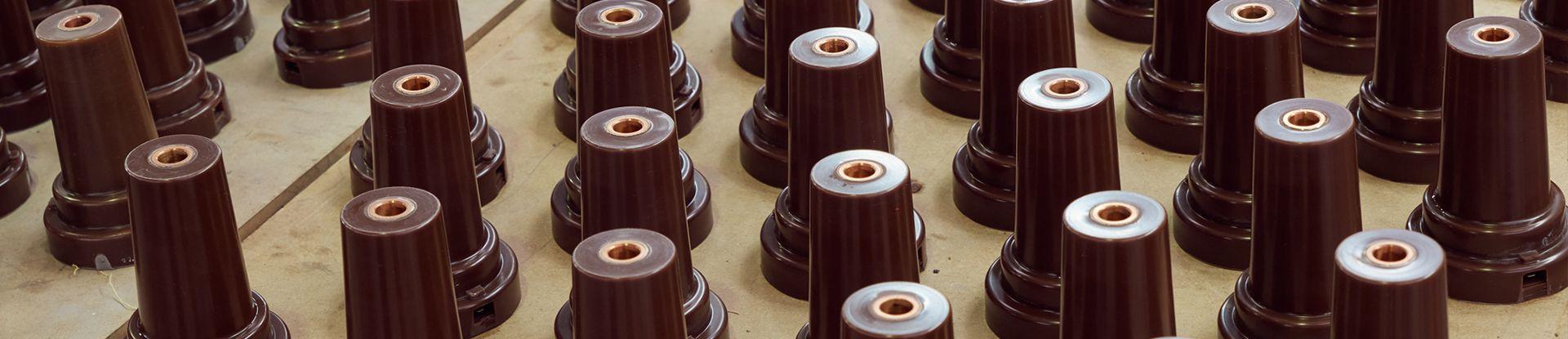
Cast epoxy insulators manufactured by Indisol

Epoxy Products

GIS Products

Gas insulated switchgear packs medium and high voltage circuits into a fraction of the space air insulation would need. That compactness is the point — and it is also what makes the insulating parts inside the enclosure difficult: the same withstand voltage has to be achieved across shorter distances, so every bushing, support and chamber sits under far higher electrical stress than its equivalent in an air insulated panel.

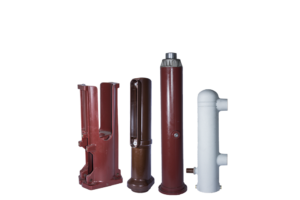
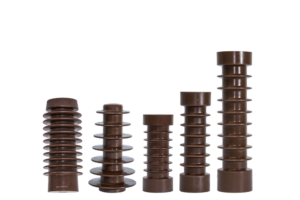
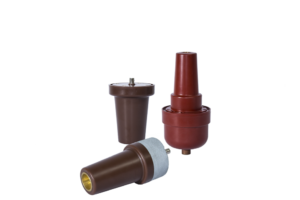
Indisol casts those parts in epoxy resin, engineered to your switchgear geometry rather than picked from a catalogue, across low, medium, high and very high voltage. The critical components are the medium voltage bushings that carry the circuit through the enclosure wall, and then everything that holds the circuit apart inside it: SF6 busbar supports, fuse tubes and circuit breaker chambers.

Each part is cast as a single monolithic piece, with metal components encapsulated during casting rather than assembled afterwards — no joints and no fasteners inside the insulating path.

Because the electrical stress in an enclosure is the highest we work with, every product we make for SF6 applications is tested at 100%, not by sample: industrial frequency, partial discharges and X-ray examination of the casting.

Looking for a different epoxy insulator? Support insulators, bushings, dividers, sensors and third rail each have their own page — the guide below points you to the right one.

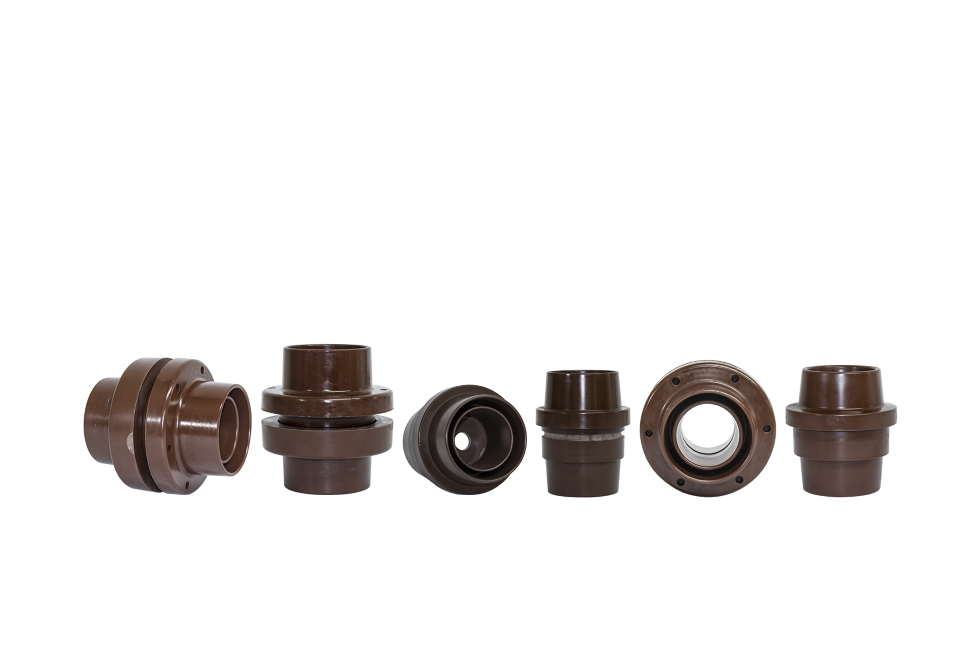
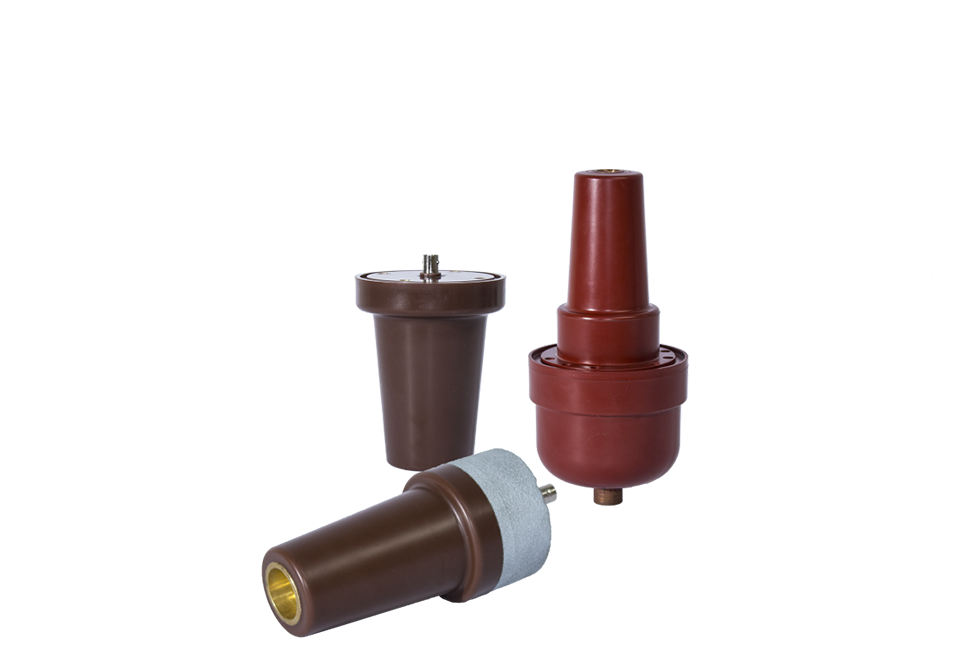
Cast epoxy medium voltage bushings for gas insulated switchgear, Indisol
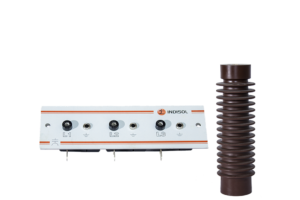
Epoxy SF6 busbar supports for gas insulated equipment, Indisol
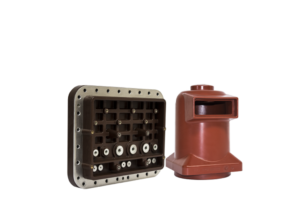
Cast epoxy circuit breaker chamber for gas insulated switchgear, Indisol

Cast epoxy parts for gas insulated switchgear

20–40 kV/mmBreakdown strength of cast epoxy
LV to VHVVoltage classes we cast for
200 kVIn-house test ceiling
100%Of our SF6 parts tested, not a sample

Which epoxy insulator do you need?

“Epoxy insulator” is a family name, not a part number. GIS parts are one member of it. If the part you are specifying does something else, go straight to the right family.
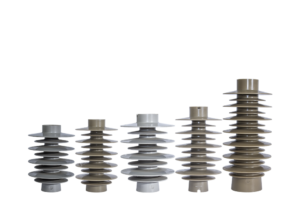
Cast epoxy support insulator, Indisol
Support & post insulatorsHold a conductor away from earth and carry the mechanical load.See the range →
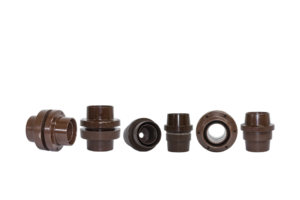
Medium voltage cast epoxy bushing, Indisol
BushingsTake a live conductor through a wall, an enclosure or a tank.See the range →
Cast epoxy components for gas insulated switchgear, Indisol
GIS productsBusbar supports, fuse tubes and breaker chambers inside gas insulated equipment.You are here
Cast epoxy insulator divider, Indisol
Divider insulatorsInsulate and, at the same time, give a low voltage signal that follows the conductor.See the range →
Medium voltage voltage sensors and indicators in cast epoxy, Indisol
Medium voltage sensorsMeasure voltage or current to a stated accuracy class.See the range →
Epoxy insulator with integrated sensing for smart grids, Indisol
SmartGridSensing, monitoring and PLC communication built into the insulating part.See the range →
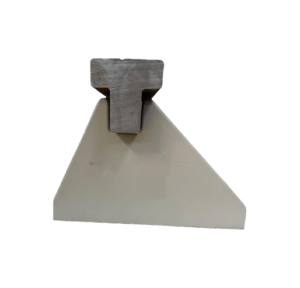
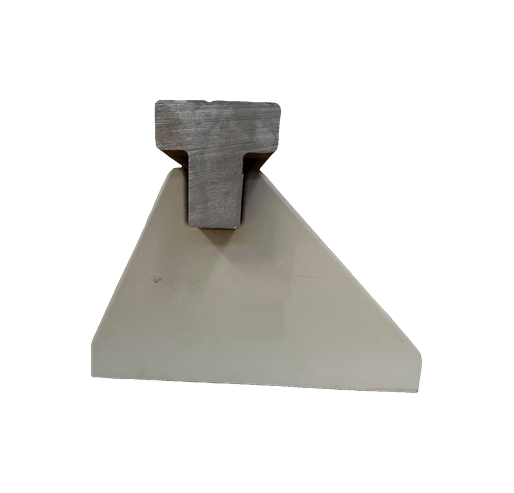
Third rail insulator supporting a T-section conductor rail, Indisol cast epoxy
Third rail insulatorsHold the conductor rail that powers a metro or light-rail line.See the range →
Customized cast epoxy product for medium and high voltage, Indisol
Custom HV/MV productsEpoxy housings for switches, and shapes none of the above describes.See the range →

Indoors or outdoors: the resin decides

An enclosure is an indoor environment, which is where our aromatic systems belong. Where the part is also exposed to weather, humidity or pollution, the resin changes. Both families cover low, medium, high and very high voltage.

IndoorsAromatic epoxyBisphenol A-epichlorohydrin resin with an anhydride hardener. Excellent dielectric performance where the surface is protected from weather.
OutdoorsCycloaliphatic epoxyFilled with pre-treated silica. Resists UV, tracking and weathering without the surface degradation that limits general-purpose resins. Also the choice indoors where there is humidity or pollution.
Polluted or coastalCycloaliphatic, overmouldedThe same resin with a silicone layer overmoulded on our own line, adding surface protection where the environment is aggressive.

Where neither standard family suits the duty, resin systems can be developed to specific electrical, thermal and mechanical requirements. More on our epoxy resin technology.

How a part for a gas enclosure is made

Most of what can go wrong electrically inside an enclosure is decided before the part ever leaves the mould.

01PrepareResin degassed under vacuum, so the casting is free of the voids that become partial discharge sites — the defect that matters most under enclosure stress.
02CastGelation under pressure at temperature, which holds dielectric reliability and dimensional accuracy across a whole run. In an enclosure, a millimetre in the wrong place changes the field distribution.
03FinishMetallization and sand blasting in house, which keeps the electrode and creepage surfaces under our own control.
04ProveIndustrial frequency, partial discharges and X-ray examination — on every piece destined for SF6 service, not on a sample.

Specified to your enclosure, then tested piece by piece

Cast epoxy has a breakdown strength of 20 to 40 kV/mm depending on the system. Inside a gas enclosure that margin is spent on shorter distances: the withstand voltage of the finished part depends on the creepage path, the clearances and the field distribution around any embedded metal, so we dimension it to your enclosure geometry and system voltage rather than to the material figure alone.

A tolerance here is an electrical requirement, not a question of finish. Dimensional accuracy is held across the series by gelation under pressure at temperature, and metal parts are encapsulated during casting, so nothing inside the insulating path depends on an assembled joint.

For gas insulated applications, where the electrical stress is highest, every single piece is tested rather than a sample: industrial frequency, partial discharges and X-ray examination of the casting. Production runs under ISO 9001 and ISO 14001.

ElectricalIndustrial frequency to 200 kVPartial discharges to 200 kVX-ray examination of the castingContact resistance
MechanicalFlexionTractionCompressionTwistImpactRoughness

Common questions

Which parts do you cast for gas insulated switchgear?The medium voltage bushings that carry the circuit through the enclosure wall, and the parts that hold it apart inside: SF6 busbar supports, fuse tubes and circuit breaker chambers.
Is every piece tested, or a sample?Every piece. All our products for SF6 applications are tested at 100% — industrial frequency, partial discharges and X-ray examination of the casting.
Do you work with gases other than SF6?Tell us which gas and at what pressure. The resin system is chosen for the application, and we would rather confirm what suits yours than assume it.
Epoxy or porcelain?Porcelain remains a sound choice in many installations. Cast epoxy is what lets metal be encapsulated during casting and a part be shaped to an enclosure wall, and we have written a comparison of the two.
Can you match our existing enclosure geometry?Yes. Parts are engineered to your geometry rather than picked from a catalogue, and we can work from your drawing or from the enclosure interface itself.
How big can the part be?From pieces above 50 kg and one metre down to small, intricate components, on 29 clamping machines and a continuous mixing line.

Send us the enclosure geometry, the voltage class and the gas.

Every part we cast for gas insulated equipment is engineered to a specification rather than taken off a shelf, so the more you can tell us, the closer the first proposal will be.

Request a quotation →  or see how we cast them
Useful to includeThe enclosure geometry, and the wall or flange interface the part has to meetThe system voltage, and the withstand levels you have to proveThe gas and its pressure, including alternatives to SF6Embedded metal — conductors, inserts or electrodes to be cast inQuantity, and whether this is a prototype or a series

Our Products

CENTRO 2030, PORTUGAL 2030 e Cofinanciado pela União Europeia